

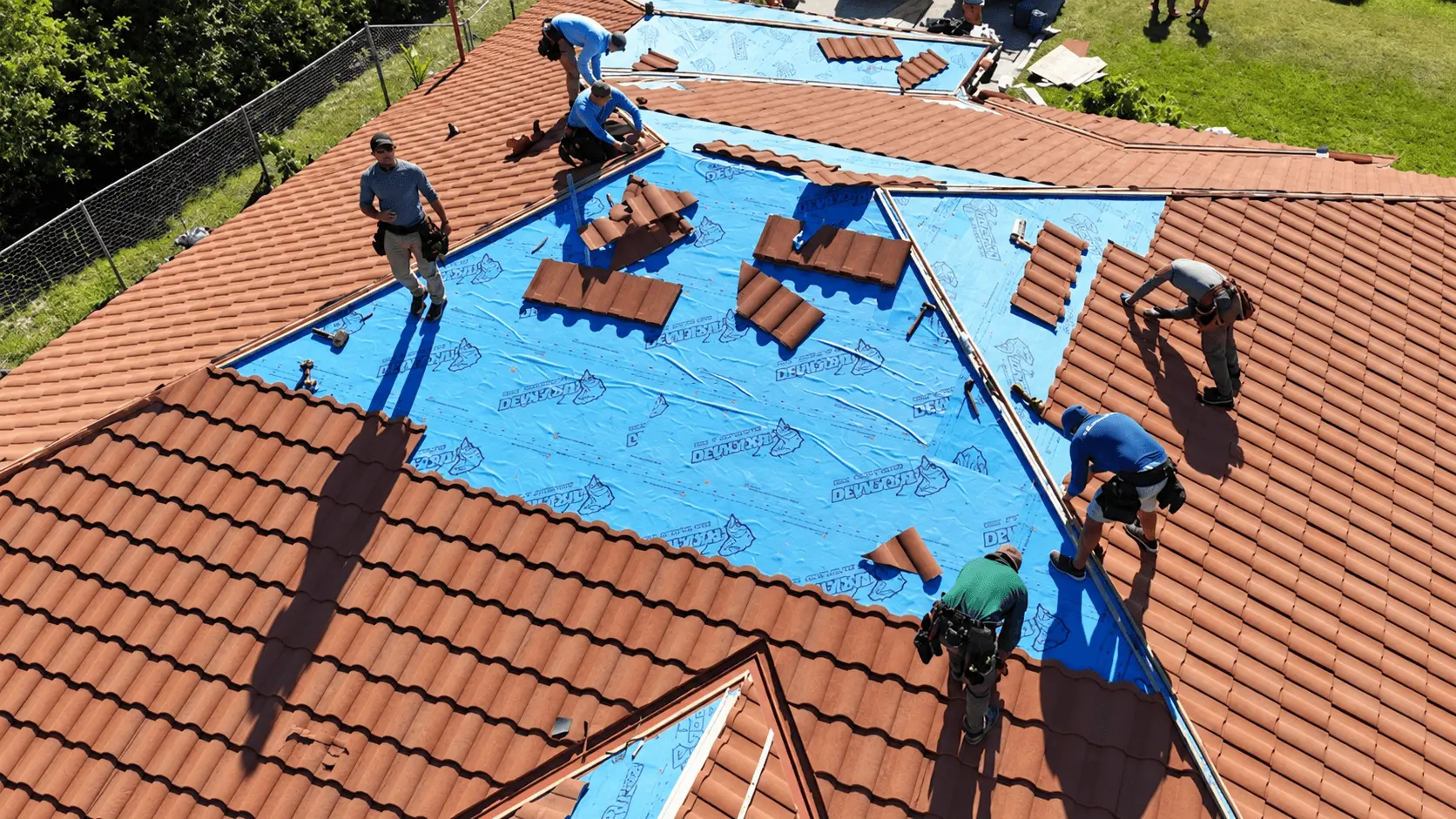
A roof remodel affects almost everything else in the house: the roof keeps water out of your walls and attic, influences cooling costs, and shapes your home's curb appeal. It is also an investment most homeowners make only once or twice.
That is why a successful roof remodel depends less on picking a color and more on a few early decisions: understanding the condition of the existing roof, choosing roofing materials that suit your climate and structure, building a realistic budget, and hiring a contractor qualified to install the system you choose. This guide walks through each of those steps.
What Is a Roof Remodel?
Remodeling a roof means making substantial changes to the roofing system rather than fixing a single problem. It can include new roofing materials, fixes to underlying problems, or an updated look.
How it compares with other roof work:
- Roof repair fixes a limited issue, such as a cracked tile or a failed vent seal.
- Roof replacement removes the existing covering and installs a new one, often in a similar material.
- Roof remodeling usually includes a replacement plus upgrades to the material, underlying components, or appearance.
In practice, homeowners often use “roof remodel,” “roof renovation,” and “roof replacement” interchangeably, so define the scope in writing before work begins.
When Should You Consider a Roof Remodel?
One of the most common reasons for remodeling a roof is the age of the existing materials. As a roofing system approaches the end of its service life, problems may become more frequent, and repeated repairs can become less cost-effective than a larger renovation.
Recurring leaks are another warning sign. Water intrusion that continues after repairs may indicate underlying problems with flashing, underlayment, or deteriorating roofing materials. Storm damage, missing shingles, cracked tiles, rust, and visible sagging can also signal the need for a more thorough evaluation.
Not every roof remodel is driven by damage. Some homeowners want to improve their property's appearance by choosing a different roof profile, color, or material. Others are interested in upgrading to a roofing system that offers longer service life or better resistance to local weather conditions.
However, not every problem calls for a complete remodel. A localized issue may only require a repair, while widespread deterioration could justify replacement. A professional inspection can help determine the most appropriate approach.
Start With a Professional Roof Inspection
Before you compare materials or request quotes, have the roof inspected by a qualified professional. Its findings will shape both the scope of the work and the budget.
A thorough inspection should look at:
- Roof decking and structure. Soft spots, rot, or sagging must be repaired before new roofing goes on.
- Water damage and hidden deterioration. Attic stains, damp insulation, and mold can indicate long-running leaks.
- Flashing and roof penetrations. Chimneys, skylights, and vents are common leak points.
- Drainage and gutters. Poor drainage can push water back under roofing materials or toward the foundation.
- Attic ventilation and insulation. Inadequate ventilation can allow heat and moisture to build up, potentially affecting roof performance and longevity.
Finding these issues early helps you avoid costly surprises mid-project. It also allows the contractor to identify necessary repairs before the new roofing materials are installed.
Choose the Right Roofing Material
The material you choose affects how the roof looks, how long it lasts, how much it weighs, how much upkeep it needs, and how well it handles your local weather.
Asphalt Shingles
Asphalt shingles are the most common residential roofing material in the US, largely because of their relatively low upfront cost and wide availability.
The trade-off is durability: shingles can curl, lose granules, or lift in high winds, especially in hot, stormy climates. For a closer look at long-term differences, see our guide to metal roof vs. asphalt shingles.
Clay and Concrete Tiles
Clay and concrete tiles suit Mediterranean and Spanish-style homes and can last a long time when properly installed.
Tile is heavy, however, so switching to it may require structural reinforcement. Individual tiles can also crack under impact or foot traffic.
Metal Roofing
Modern metal roofing systems are available in profiles that resemble tile, slate, and wood shake, with factory-applied finishes in a wide range of colors.
Key advantages include long service life, low maintenance, good weather resistance when correctly installed, and much less weight than tile. Modular metal roofing, made of smaller formed steel panels with a painted finish, gives a uniform color and a defined architectural profile without the weight of tile.
The main considerations are higher upfront cost than shingles and the need for an installer experienced with the specific system.
Stone-Coated Steel Roofing
Stone-coated steel roofing combines a steel base with a bonded layer of natural stone granules. The result has the textured look of traditional tile, slate, or shake, while the steel construction keeps the roof considerably lighter than clay or concrete.
Stone-coated steel suits homeowners who want the character of tile or shake without the weight of clay or concrete. Panels are typically formed into profiles that imitate barrel tile, flat tile, and wood shake, and the stone granules give the surface a natural, matte texture.
Novatik NATURA stone-coated steel roofing is available in Roman, Slate, Classic, and Wood profiles, giving homeowners several architectural options when remodeling an existing roof.
Consider Your Local Climate
Local weather should weigh heavily in your choice of roofing materials. Different regions expose roofs to different stresses, making climate compatibility an important part of any remodeling decision.
In hot regions such as Florida and Texas, intense sunlight and prolonged UV exposure can cause some roofing materials to fade or deteriorate over time. High temperatures can also contribute to heat buildup in attic spaces, making ventilation and the performance of the overall roofing assembly important considerations.
Humidity and heavy rainfall create additional challenges. Persistent moisture can encourage algae growth, while improperly sealed joints, flashing, and roof penetrations increase the risk of water intrusion. In coastal areas, salt air can accelerate corrosion, so homeowners should pay particular attention to protective coatings, fastening systems, and manufacturer warranty conditions.
Strong winds are another important consideration, particularly in hurricane-prone areas such as coastal Florida and the Gulf Coast of Texas. Wind uplift resistance depends not only on the roofing material but also on the fastening system and installation method.
Hail and temperature fluctuations should also influence material selection. Parts of Texas and the central United States experience frequent hailstorms, while seasonal temperature changes cause roofing materials to expand and contract.
Ratings help compare products: UL 2218 Class 4 is the highest impact-resistance classification under that test standard, and Class A is the highest fire classification for roof coverings. In Florida's High-Velocity Hurricane Zone (Miami-Dade and Broward counties), roofing systems must meet additional approval and installation requirements.
For example, Novatik NATURA stone-coated steel roofing offers wind resistance ratings of up to 180 mph, UL 2218 Class 4 impact resistance, and Class A fire classification. Certain NATURA systems also have Miami-Dade approval. Homeowners should confirm that the selected product, approved installation configuration, and local building requirements are compatible before installation.
How Much Does a Roof Remodel Cost?
Roof remodel costs vary too widely for a single national average to reflect every project accurately. The main cost drivers are:
- Roof area and complexity. Size, steep pitches, valleys, and skylights add material and labor.
- Roofing material. Usually one of the biggest variables.
- Removal and disposal. Tear-off costs rise with the number of old layers.
- Structural repairs. Damaged decking or reinforcement for heavier materials adds to the total.
- Labor and installation requirements. Local rates and installer experience affect pricing.
- Permits and local regulations. Many jurisdictions require permits, and some have stricter codes.
Before committing to a roof remodeling project, request at least two or three detailed estimates from qualified roofing contractors. Compare not only the total price but also the materials, installation methods, removal costs, warranty coverage, and any allowances for unexpected repairs.
When comparing options, look beyond the upfront price. A cheaper roof that needs earlier replacement or regular maintenance may cost more over time, so weigh service life and warranty terms too. Tools such as the Novatik roofing calculator compare estimated 20-year costs of shingles, tile, and metal, so you can see how replacement cycles add up.
Hire a Qualified Roofing Contractor
Even the best roofing material underperforms if it is installed incorrectly. When evaluating installers, check:
- Experience with your chosen material. Ask how many installations of that specific system they have completed.
- Licensing and insurance. Confirm required licenses plus liability and workers' compensation coverage.
- References and previous projects. Ask for recent customer contacts and photos.
- Clear written estimates. The estimate should itemize materials, tear-off, repairs, and permits.
- Installation specifications. Ask which underlayment, fasteners, and flashing they will use.
- Warranty information. Understand the material and workmanship warranties and what may void them.
- Local building code requirements. Confirm who will obtain permits and ensure compliance with local codes.
Specialized systems such as stone-coated or modular metal roofing should be installed according to the manufacturer's instructions. Incorrect installation can affect performance and warranty coverage.
Novatik manufactures and supplies roofing systems; installation is carried out by independent roofing contractors, and the company can help connect homeowners with qualified local installers.
Common Roof Remodeling Mistakes to Avoid
One of the biggest mistakes homeowners make during a roof remodel is choosing materials based solely on the initial price. While affordability matters, a lower upfront cost does not always translate into better long-term value. Expected service life, maintenance requirements, and warranty coverage should also influence the decision.
Another common problem is overlooking the condition of the existing roof structure. Installing new materials without addressing damaged decking, ventilation issues, or moisture intrusion can compromise the performance of the new roofing system.
Underestimating the budget can also create difficulties once construction begins. Some problems only become visible after the old roofing materials are removed, making it important to set aside funds for unexpected repairs.
Homeowners may also overlook local weather conditions or hire contractors who lack experience with their chosen materials. A roofing system should be suitable for the region's climate and installed according to the manufacturer's specifications.
Finally, maintenance and warranty requirements should not be ignored after installation. Understanding recommended upkeep and keeping installation documentation can help homeowners protect their roofing investment.
Final Thoughts
A successful roof remodel starts with a professional inspection. Choose roofing materials that fit your home's architecture, structure, and local climate. Build a budget that accounts for hidden repairs and long-term ownership costs, not just installation. Finally, hire a contractor experienced with the system you select.
If you are considering metal for your roof remodeling project, Novatik's stone-coated NATURA and painted METAL lines offer tile, slate, and wood-inspired profiles in lightweight steel. Reviewing product details and samples early makes it easier to compare options with your contractor.