When researching metal roofing, homeowners usually find two very different looks: smooth panels with long vertical lines and textured roofs that resemble clay tile, slate, or wood. Both can be made from steel. The difference lies in how the metal is formed, finished, and installed.
Below, we compare a stone-coated steel roof vs. traditional metal roofing panels, from protective coatings and appearance to installation, durability, and cost, so you can choose the right system for your home.
What Is Stone-Coated Steel Roofing?
Stone-coated steel is a type of metal roofing made from protective-coated steel sheets formed into traditional roofing profiles and finished with bonded stone granules. Depending on the profile, these products can resemble stone-coated roof tiles, metal shingles, or wood shakes.
Our stone-coated steel roofing, the Novatik Nature line, uses a steel core protected by a zinc-magnesium (ZnMg) alloy coating and additional anti-corrosion protection on both sides.
The natural volcanic stone chips feature a ceramic color coating stabilized at temperatures above 900°C, helping maintain their color under prolonged UV exposure.
Panels are installed as overlapping modules rather than long sheets, giving the finished roof the dimensional appearance of traditional roofing materials.
What Are Traditional Metal Roofing Panels?
Traditional metal roofing panels are available in several configurations, with differences in panel shape, surface finish, and fastening methods.
Standing Seam Metal Roofing
Standing seam roofing uses long metal panels joined by raised vertical seams. The fasteners are typically concealed beneath the seams, protecting them from direct weather exposure.
It is known for its clean, modern appearance and suitability for certain low-slope roof designs. However, wide, flat metal surfaces can sometimes show slight waviness known as oil canning.
Exposed-Fastener Metal Roofing
Exposed-fastener panels, commonly referred to as corrugated or ribbed panels, are attached using screws driven through the panel surface.
Sealing washers help prevent water penetration around fastening points. These systems are generally among the most economical metal roofing options, although exposed fasteners and washers require periodic inspection.
Painted Modular Metal Roofing
Painted modular roofing combines traditional architectural profiles with a smooth, factory-applied painted finish.
Unlike long standing seam panels, modular systems consist of smaller overlapping sections designed to recreate the appearance of tile, slate, or wood roofing.
Our painted modular metal roofing, the Novatik Metal line, includes four architectural profiles: Roman, Slate, Classic, and Wood.
Depending on the product specification, the steel is protected by zinc-magnesium or zinc coatings, a primer, and a factory-applied finishing coat.
Stone-Coated Steel vs. Metal Roofing: Key Differences
Material and Protective Coatings
All four roofing systems are commonly available in coated steel, although standing seam and exposed-fastener panels can also be manufactured from other metals.
Painted steel roofing relies on protective metallic layers, primers, and factory-applied finishing coatings.
Stone-coated steel roofing incorporates an additional textured surface made from bonded stone granules. This finish gives the panels a natural appearance while contributing to surface protection.
Appearance and Roof Profiles
Appearance is often one of the main factors when choosing a metal roof.
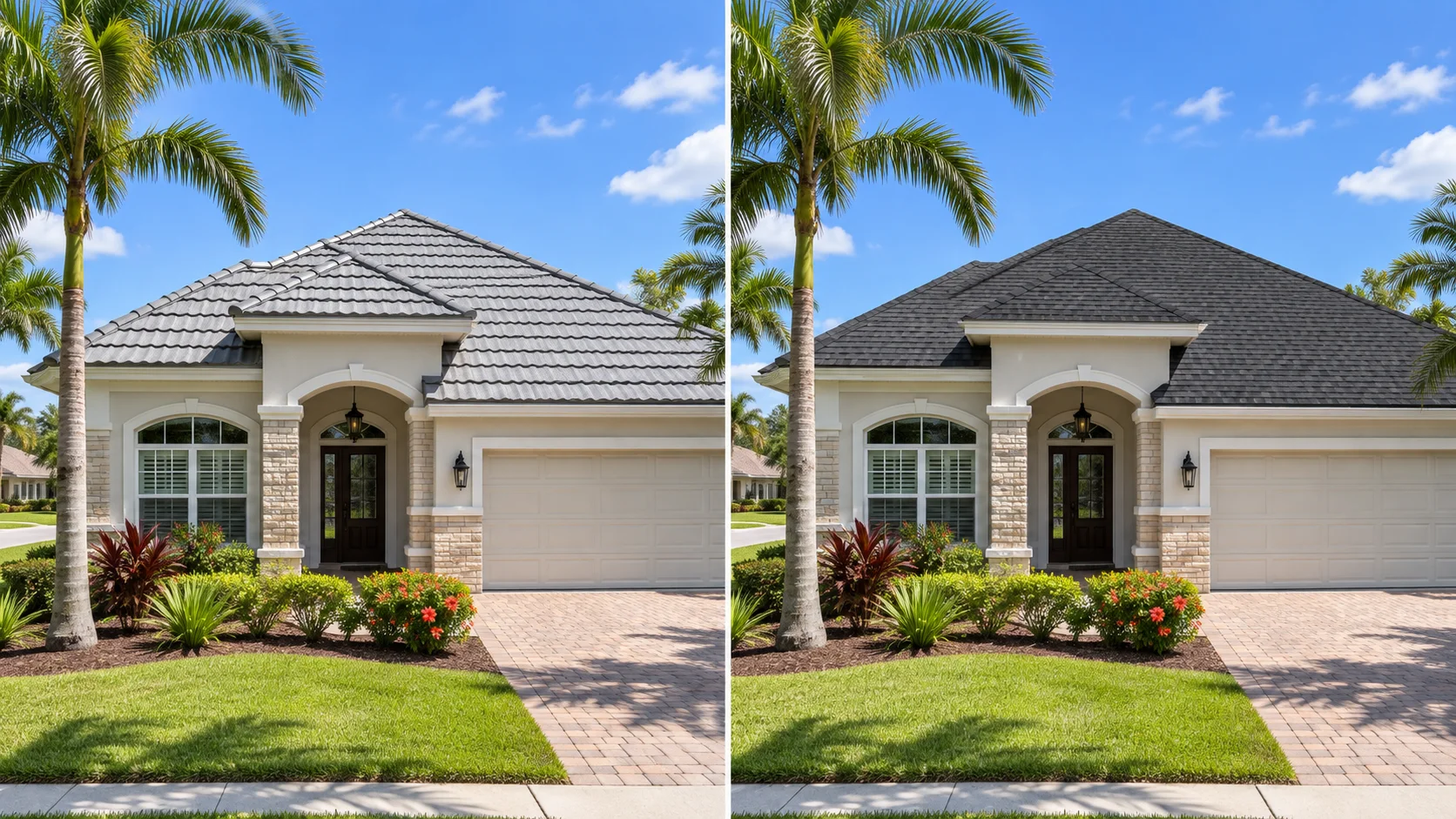
Standing seam and exposed-fastener panels have a recognizable metal appearance. Stone-coated and painted modular systems offer more traditional architectural designs.
Novatik Nature is available in four profiles:
- Roman: Mediterranean-style barrel tiles.
- Slate: Clean lines inspired by natural slate.
- Classic: A versatile, traditional tile appearance.
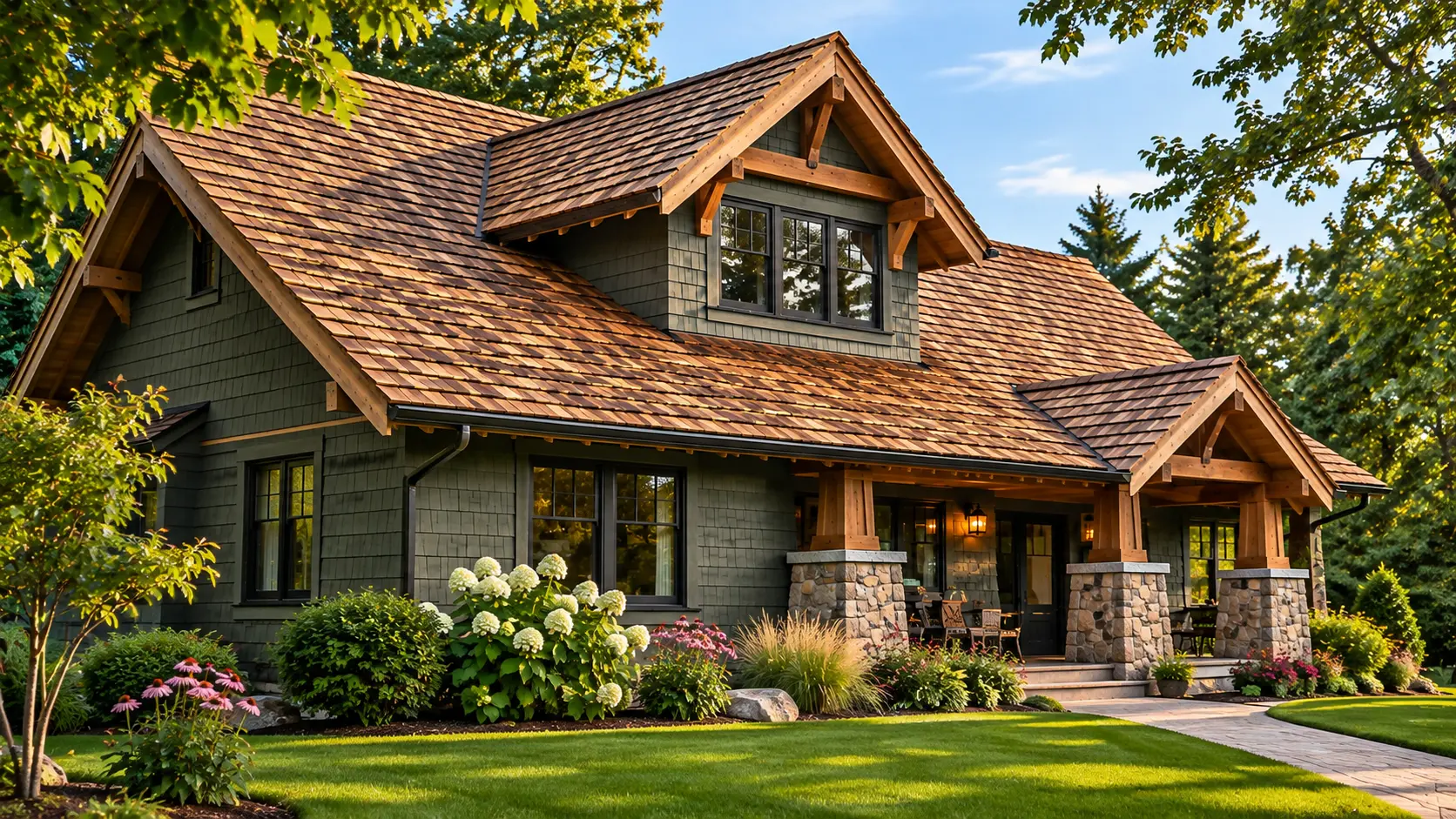
- Wood: A dimensional wood-shake design.
Novatik Metal offers the same architectural profile options with a smooth, factory-painted finish.
Weight and Installation
Steel roofing systems are generally lightweight compared with clay tile, concrete tile, and natural slate.
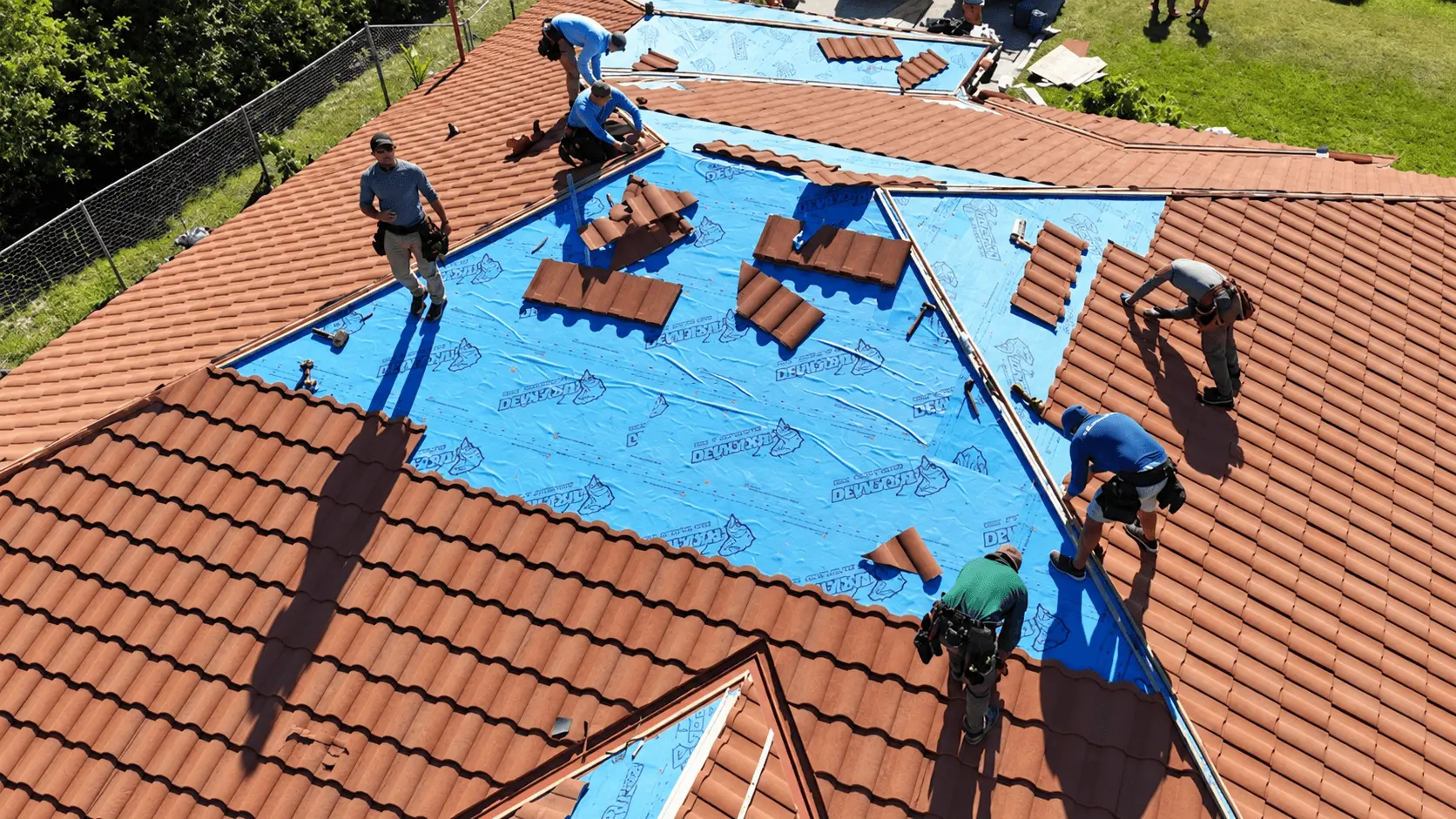
Standing seam panels can extend along the entire roof slope, while modular systems consist of smaller sections that can be easier to handle and transport.
Selected Novatik Nature profiles can be installed directly on the roof deck or over battens, depending on the approved installation configuration.
Minimum roof pitch requirements vary by profile and installation method. Homeowners should confirm the appropriate system using the manufacturer's installation instructions and applicable building requirements.
Durability and Weather Resistance
Metal roofing systems can provide strong protection against wind, hail, fire, and other demanding weather conditions.
However, actual performance depends on the specific roofing product, protective coatings, fastening method, and complete roof assembly.
Novatik roofing systems are engineered for demanding conditions, with selected products and assemblies offering high wind resistance, Class 4 impact resistance, and Class A fire performance.
Homeowners and contractors should review the relevant product approvals and technical documentation before selecting a system.
Energy Efficiency and Noise
Metal roofing can help reduce solar heat gain when combined with suitable surface finishes, insulation, ventilation, and installation methods.
Both stone-coated and painted metal roofing can contribute to energy-efficient roof assemblies. Systems installed with an air space beneath the panels may further help limit heat transfer into the attic.
Noise performance also depends on the complete roof construction. Solid decking, underlayment, attic insulation, and installation quality all influence how much rain noise reaches the interior.
The textured surface of stone-coated roofing may also help reduce the traditional bare-metal sound effect.
Lifespan and Maintenance
Both stone-coated and painted metal roofing systems are designed for long-term performance.
Novatik Nature and Novatik Metal offer 60-year technical and 30-year aesthetic warranty coverage, subject to the applicable product warranty terms.
Maintenance requirements vary depending on the roofing system. Exposed-fastener roofs need periodic inspections of screws and sealing washers, while standing seam and modular systems generally require routine inspections of panels, flashings, and drainage areas.
A warranty period should not be interpreted as a guaranteed service life.
Cost
Exposed-fastener panels are generally among the least expensive metal roofing options.
The installed cost of standing seam, stone-coated steel, and painted modular roofing depends on several factors:
- Roof size and complexity.
- Panel profile and protective finish.
- Installation requirements.
- Local labor costs.
- Existing roof removal.
- Roofing accessories and underlayment.
Although these systems may require a higher upfront investment than conventional asphalt shingles, their potential service life and maintenance requirements should also be considered.
For a broader comparison, explore our guide to metal roof vs. asphalt shingles.
Pros and Cons of Stone-Coated Steel Roofing
Advantages:
- Traditional tile, slate, or wood appearance.
- Lightweight steel construction.
- Strong weather-performance potential.
- Durable protective coatings.
- Wide selection of architectural profiles.
- Generally low maintenance requirements.
Disadvantages:
- Higher upfront costs than some conventional roofing options.
- Profile-specific minimum roof pitch requirements.
- Installation requires experience with modular roofing systems.
- Textured finishes may not suit every architectural preference.
Novatik Nature vs. Novatik Metal
Both Novatik roofing lines combine lightweight steel construction with architectural profiles designed to complement different home styles.
Novatik Nature features natural volcanic stone chips with a ceramic color coating. Its textured surface is particularly suitable for homeowners who prefer the appearance of traditional tile, slate, or wood roofing.
Novatik Metal features a smooth, factory-applied painted finish. It provides the same four architectural profile options with a cleaner, more uniform surface.
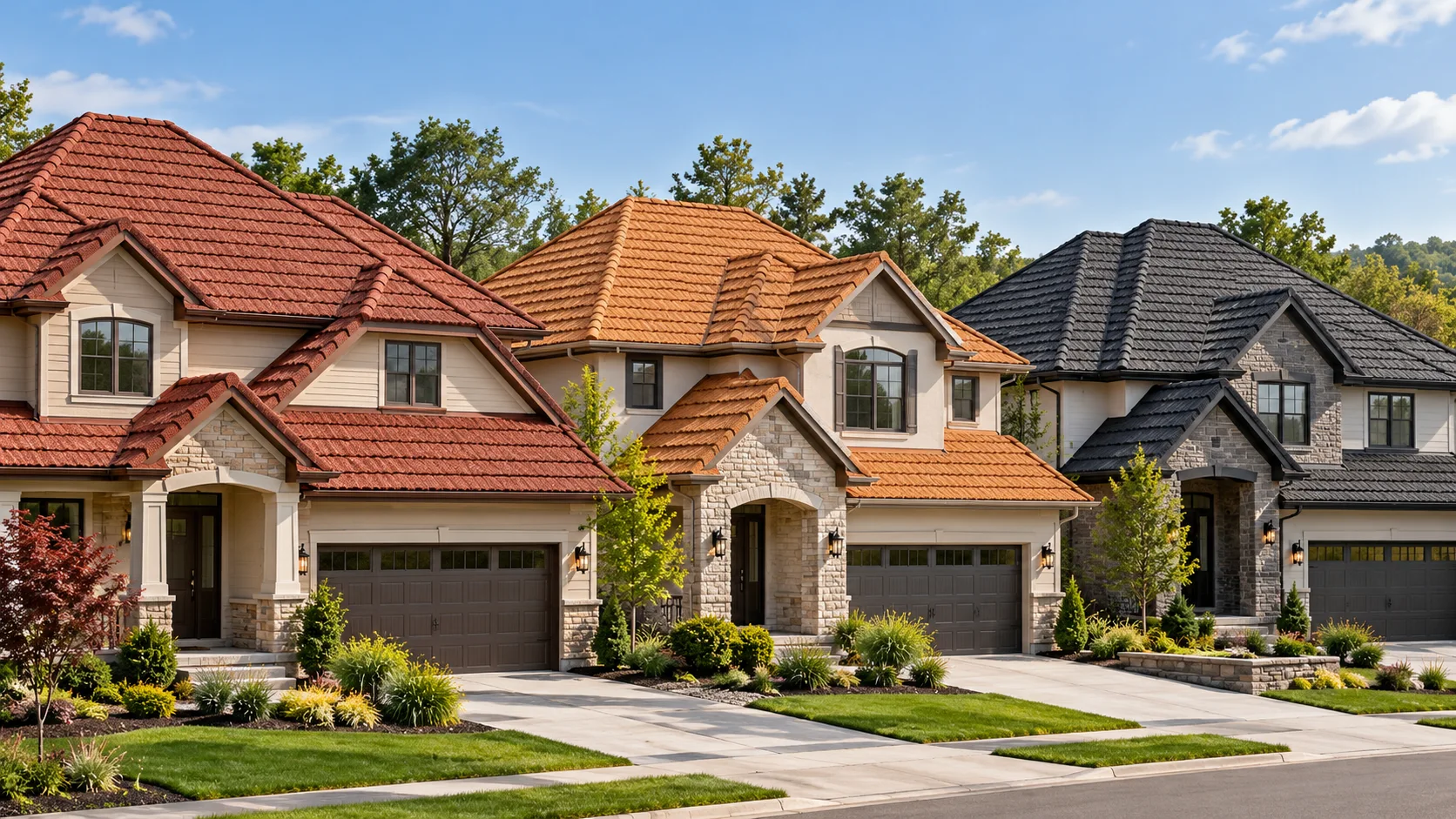
Both collections offer multiple colors and styles, allowing homeowners to choose a roof that complements their property's architecture and exterior design.
Which Metal Roofing System Should You Choose?
The right metal roofing system depends on your architectural preferences, budget, roof design, and long-term performance requirements.
- Choose standing seam for a clean, contemporary appearance.
- Consider exposed-fastener panels when upfront affordability is the main priority.
- Choose stone-coated steel for traditional profiles with a natural, textured finish.
- Consider painted modular roofing for traditional architectural shapes with a smooth, uniform surface.
Before making a decision, compare product specifications, warranty coverage, installation requirements, and available roofing samples.
Novatik offers both stone-coated and painted modular steel roofing systems, providing a range of options for different residential architectural styles.