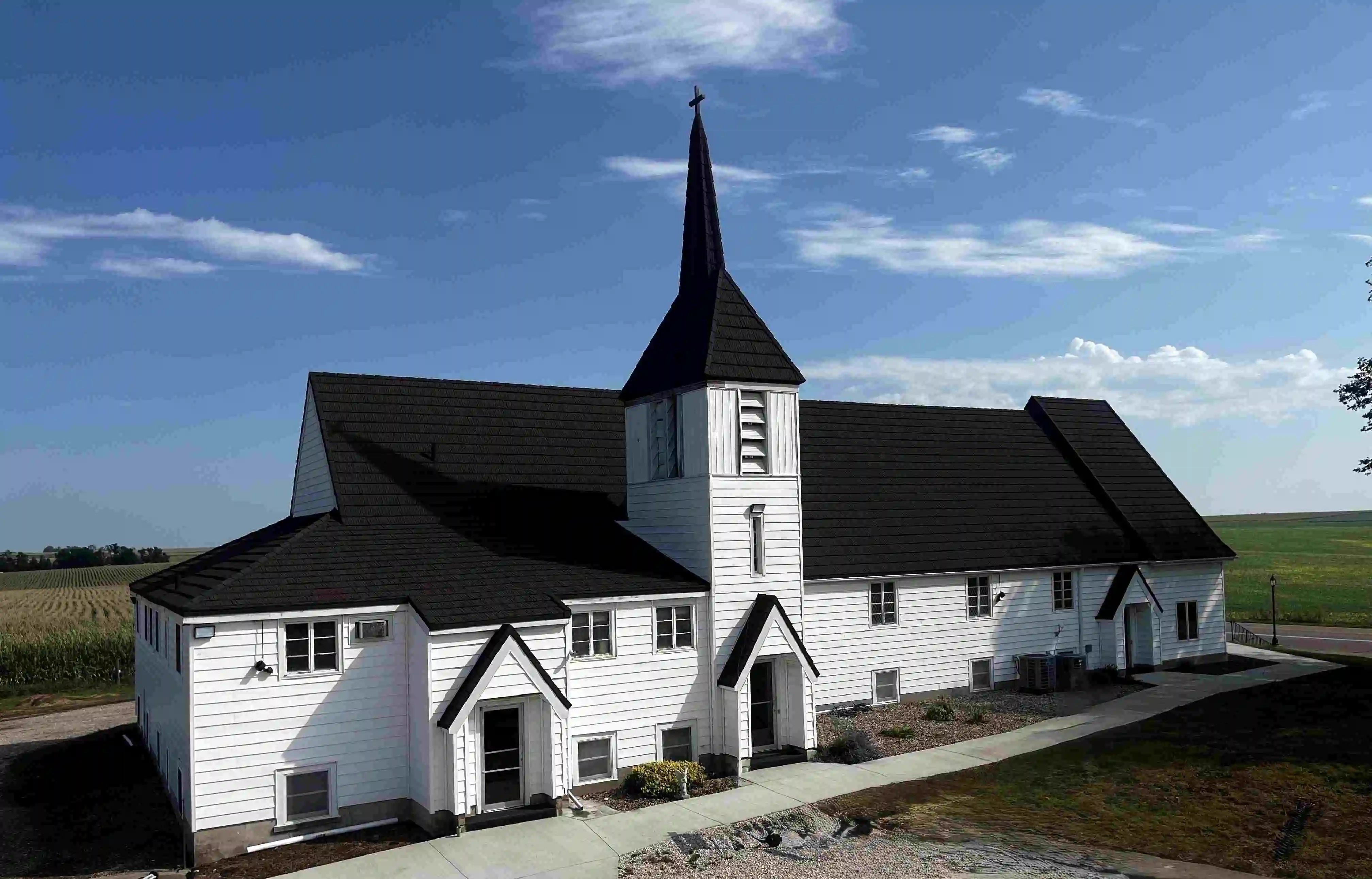
Metal roofing has come a long way from plain industrial sheets. Today's metal roof panels come in a variety of profiles, ranging from standing seam and corrugated sheets to designs that resemble clay tile, slate, or wood. This makes choosing the right one a bigger decision than many homeowners expect.
In short: metal roof panels are formed sheets of steel, aluminum, copper, or zinc that interlock or overlap to create a weather-resistant roof. They differ by profile, fastening method, material, thickness, and finish, and each combination suits a different type of home.
Below, we break down the main types of metal roof panels, the materials and coatings behind them, and how to choose the right system for your house.
What Are Metal Roof Panels?
A roof panel is a single piece of roofing material that covers a larger area than a traditional shingle or tile. Metal roofing panels, sometimes called metal sheeting for roofs, are made from sheet metal that is formed into a specific shape, coated for protection, and fastened to the roof structure.
You will still hear people call them "tin roof panels," a name that dates back to older roofs made from tin-plated steel. Modern residential panels are made from coated steel or other metals, not tin, and are built to far higher standards for corrosion, wind, and fire performance.
How Metal Roofing Panels Are Made
Most metal roof panels start as coils of coated sheet metal. From there, manufacturing follows one of two main paths.
Roll-formed panels, such as standing seam and corrugated sheets, are shaped by passing the metal through a series of rollers. They can be produced in long lengths that run from the eave to the ridge.
Press-formed modular panels are stamped into a three-dimensional profile, such as a barrel tile, slate, or wood shingle. Each module covers the area of several individual tiles and interlocks with the next, so the finished roof looks like traditional roofing rather than long metal sheets.
In both cases, the steel is protected by metallic and organic coating layers before or after forming. Those layers, more than the steel itself, determine how the roof resists corrosion and holds its color.
Types of Metal Roof Panels
The main types of roof panels for homes differ in profile, fastening method, and appearance.
Standing Seam Panels
Standing seam panels run vertically from eave to ridge and are joined by raised seams. The fasteners are concealed under the seams, so they are protected from the weather. Standing seam has a clean, linear look that suits modern and contemporary homes, and it can be used on lower-slope roofs than most other panel types.
Corrugated Metal Sheets
Corrugated sheets have a repeating wave pattern that adds stiffness to thin metal. They are one of the most recognizable forms of metal sheet roofing and are usually fastened with exposed screws through the face of the panel. The look is more rustic or industrial, so on homes it is often used for accents, porches, or specific architectural styles.
Ribbed (Exposed-Fastener) Panels
Ribbed panels have trapezoidal ribs at regular intervals and are also installed with exposed fasteners. They are typically among the most economical steel roof panels. Because each screw penetrates the panel and relies on a sealing washer, exposed-fastener systems need periodic inspection over the life of the roof.
Metal Tile Roof Panels
Metal tile roof panels are modular, press-formed panels designed to recreate traditional roofing materials. They come in two main finishes:
- Stone-coated: a textured surface of stone granules over the steel, with a matte look that closely resembles clay tile, slate, or wood.
- Painted: a smooth, factory-applied finish in the same traditional profiles.
Our stone-coated metal roof panels are a good example of this category: each module is formed into a Roman, Classic, Slate, or Wood profile and installed as part of an interlocking system.
Metal Roof Panel Materials
Steel
Steel is the most common material for residential metal roofing. It is strong, impact-resistant, and cost-effective, but it relies on a metallic coating to resist corrosion. Common coatings include galvanized (zinc), Galvalume (an aluminum-zinc alloy), and zinc-magnesium (ZnMg) alloys, which are designed to offer strong corrosion protection. Our Nature line, for example, uses steel protected by a ZnMg alloy with anti-corrosion sealing on both sides.
Aluminum
Aluminum is lightweight and naturally resistant to rust, which is why it is often considered for coastal areas. It is softer than steel, so it can dent more easily, and it generally costs more.
Copper and Zinc
Copper and zinc are premium architectural metals known for their long service life and the natural patina they develop over time. They are typically chosen for high-end or historic projects and accents, as their cost is considerably higher than steel.
Coatings and Finishes
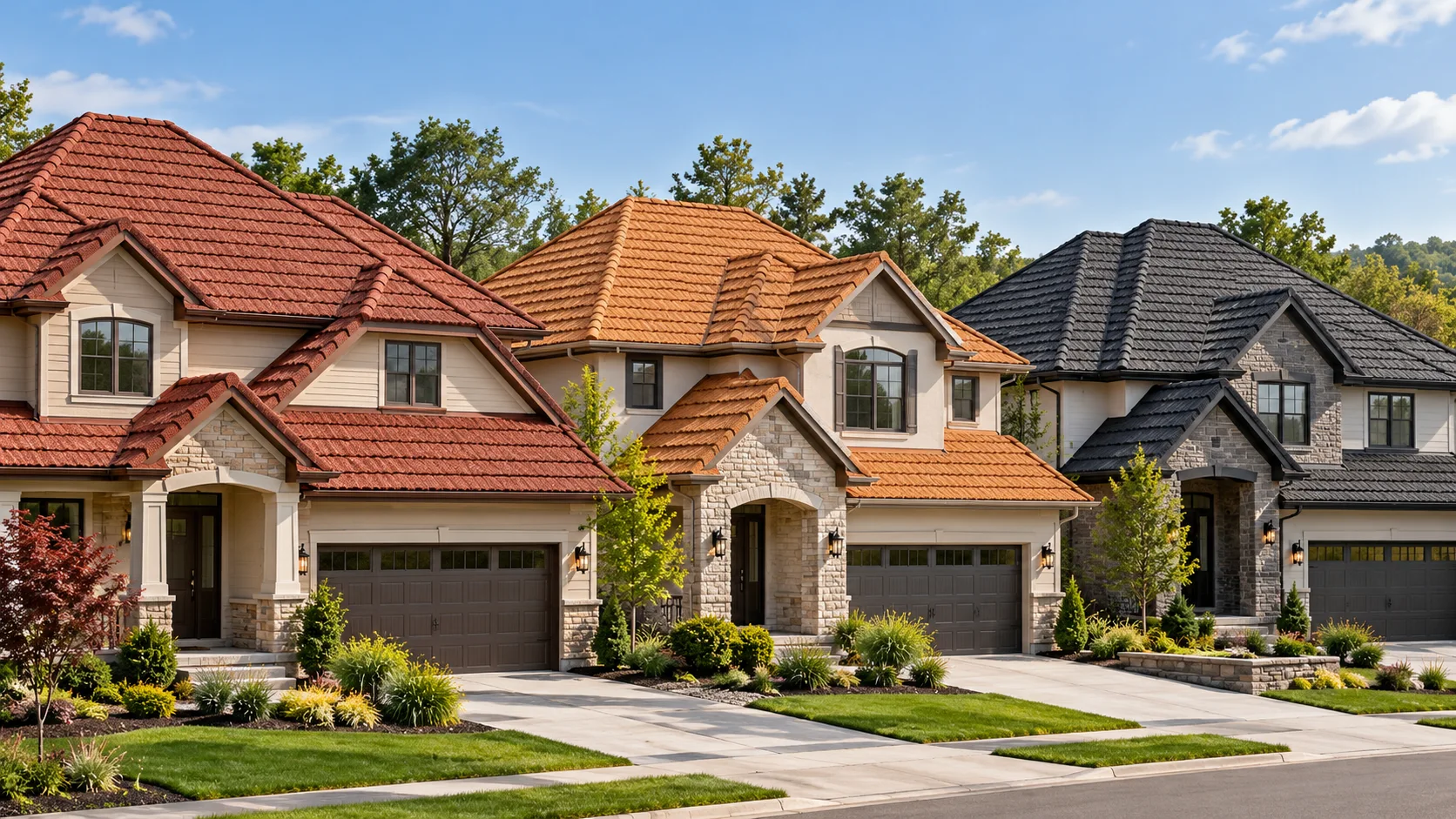
The finish protects the metal and gives the roof its final look. Painted panels use factory-applied coating systems over a primer and a metallic layer. Stone-coated panels add a color layer and a surface of stone granules, which create texture and help protect the coating beneath.
Both are durable options, and the choice is largely about appearance. For a detailed side-by-side look, see our comparison of stone-coated steel vs. metal roofing panels.
Metal Roof Panel Thickness: What Gauge Means
Steel roofing thickness is usually described by gauge. The scale is counterintuitive: the lower the gauge number, the thicker the steel. Thickness affects stiffness, dent resistance, and how well a panel holds its shape.
Gauge is not the only measure of quality, though. Panel profile, coating, fastening system, and tested performance ratings matter just as much. Novatik Nature stone-coated panels use steel with a thickness specified in the applicable product evaluation and technical data sheets. When comparing products, ask for both the steel thickness and the system's wind, impact, and fire ratings. Homeowners and contractors can review these specifications in our technical documentation.
How Metal Roof Panels Are Installed
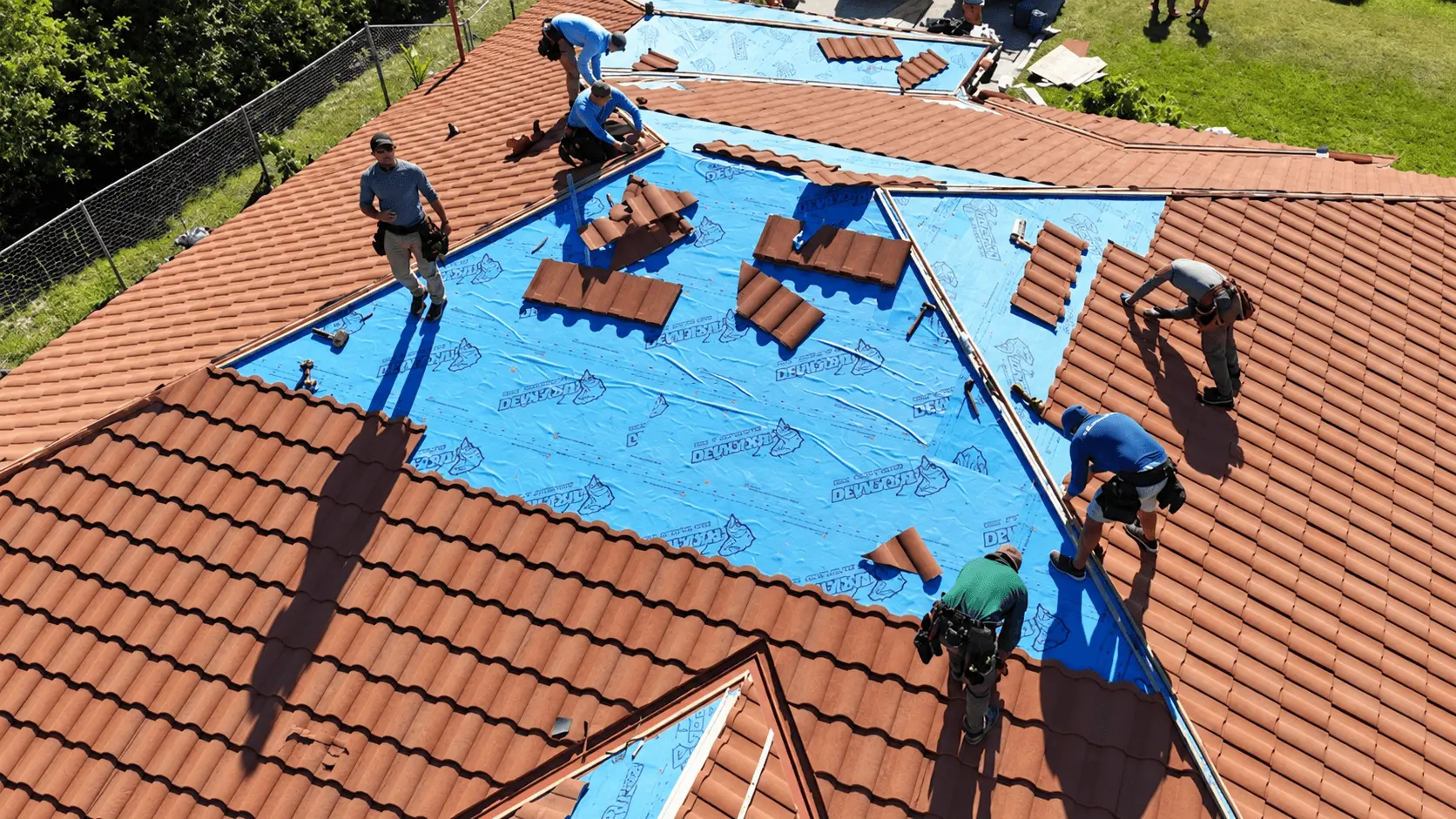
Installation starts with a sound roof deck and an underlayment that serves as a secondary water barrier. Long panels such as standing seam are fastened from eave to ridge, while modular metal panel roofing is installed in interlocking rows. Flashing at valleys, walls, chimneys, and penetrations is critical to a watertight roof. Our Nature stone-coated panels are evaluated for installation either directly on the roof deck or on wood battens, according to our Florida Building Code product evaluation.
Benefits of Metal Roof Panels
Well-designed metal roofing offers a strong combination of durability and low maintenance. It resists rot, cracking, and pests, and quality systems are tested for high winds, hail, and fire. Metal is also lightweight compared with clay tile, concrete tile, or natural slate.
Metal roof panels also offer several practical benefits:
- Long service life with proper installation and maintenance.
- Resistance to demanding weather conditions.
- A wide selection of profiles, colors, and finishes.
- Potential improvements in energy efficiency depending on the roof assembly.
- Reduced maintenance requirements compared with many traditional roofing materials.
For homeowners in storm-prone regions, wind and impact performance are often the deciding factors. Our guide to the best roof for hurricanes explains what to look for.
What to Consider Before Choosing Metal Roof Panels
Cost. Metal roofing typically costs more upfront than asphalt shingles, with prices varying by panel type, material, and roof complexity. Our comparison of metal roof vs. asphalt shingles covers cost and lifespan in more detail.
Roof slope. Each panel type has a minimum slope set by building codes and the manufacturer's requirements. Standing seam can typically go on lower slopes than lapped or modular panels.
Installation. Metal roofing should be installed by contractors experienced with the specific system, as flashing, fastening, and underlayment details are critical.
Noise. Rain noise depends largely on the roof assembly beneath the panels. Learn more in our article on whether metal roofs are noisy.
HOA rules. Many communities regulate roofing materials, profiles, and colors, so confirm approval before ordering.
How to Choose the Right Metal Roof Panels for Your Home
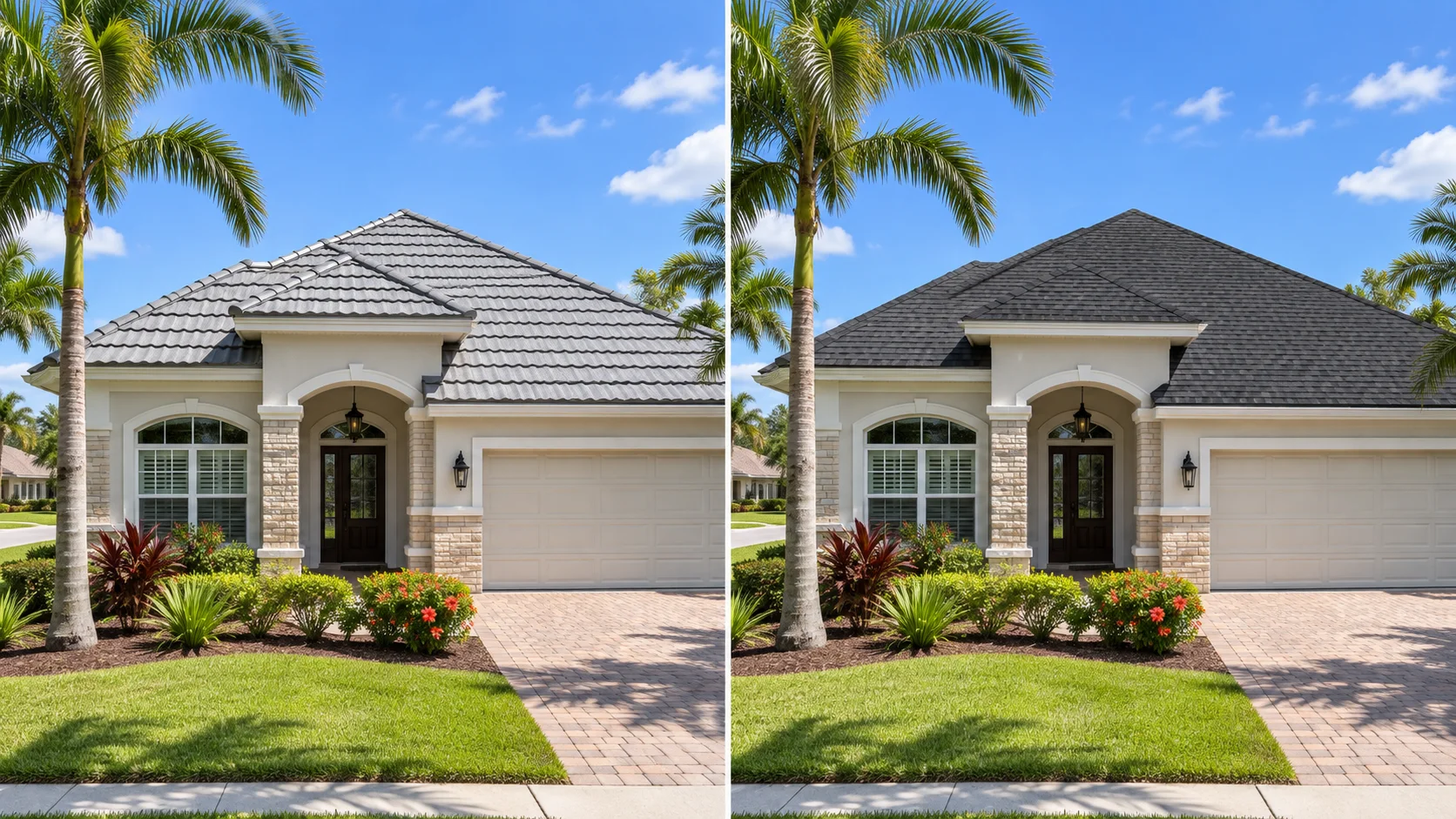
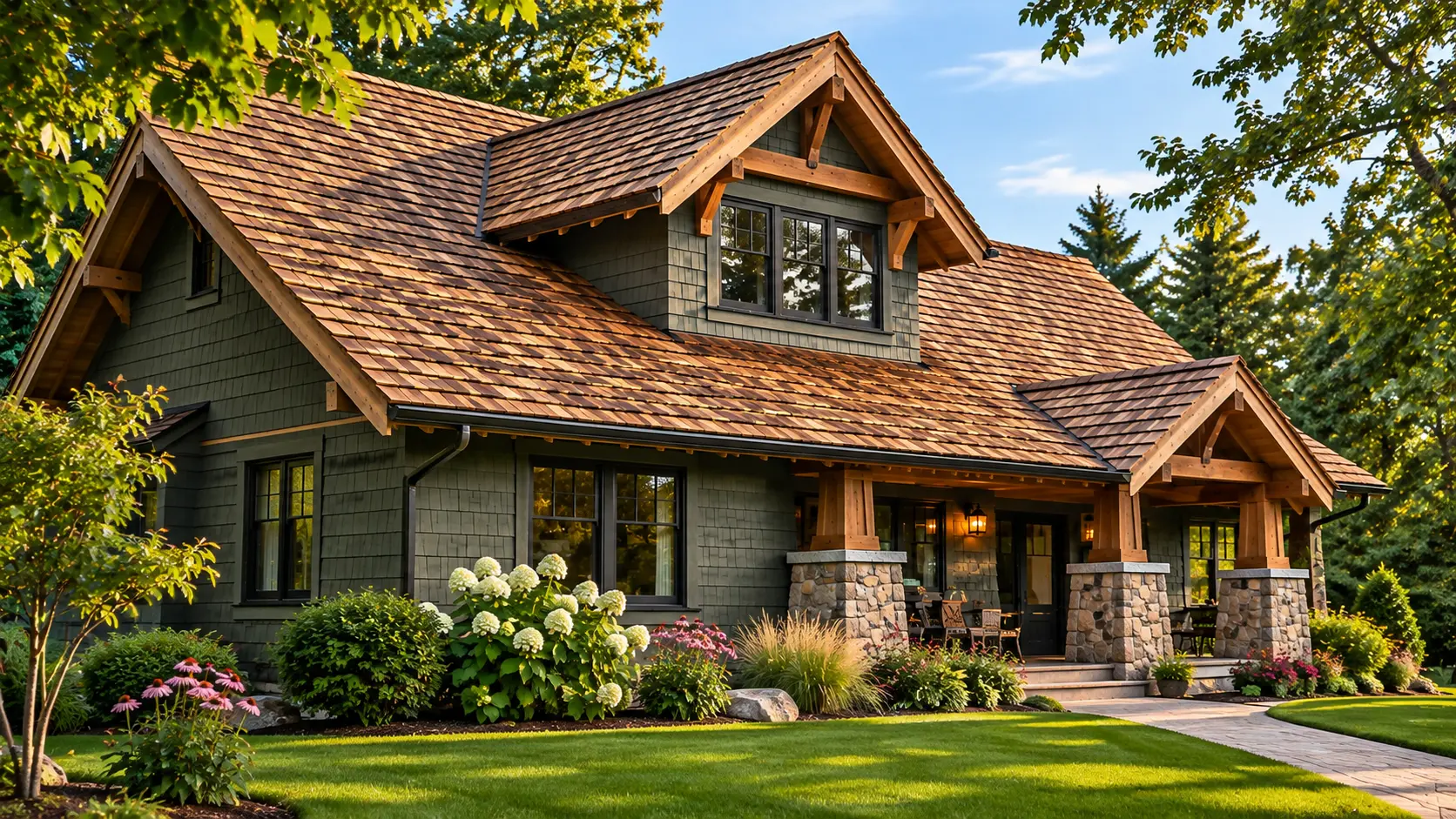
Start with your home's architecture. A contemporary house with clean lines is a natural match for standing seam. A Mediterranean, Spanish, or traditional home usually looks best with metal tile roof panels that echo clay tile or slate. Craftsman and cottage-style homes often suit wood-look profiles.
Next, check your roof slope, local climate, and budget. In hurricane-prone or hail-prone areas, look for systems with documented wind, impact, and fire ratings. In coastal areas, pay close attention to the metallic coating and warranty terms near saltwater. Finally, view physical samples in natural light next to your siding before you decide.
Metal Roof Panels From Novatik
We make metal tile roof panels in two metal roofing product lines, both available in Roman, Classic, Slate, and Wood profiles.
Novatik Nature
Novatik Nature is our stone-coated line, finished with natural volcanic stone chips that give each panel the depth and texture of traditional tile, slate, or wood shake.
Novatik Metal
Novatik Metal offers painted metal tile roof panels with clean, smooth surfaces in the same profiles, a strong fit for contemporary homes and complex roof layouts.
Both product lines feature modular steel construction with protective coatings designed for long-term durability. Selected Novatik roofing systems offer wind resistance ratings of up to 180 mph, Class 4 impact resistance, Class A fire performance, and Miami-Dade approvals. Specific ratings, certifications, and installation requirements depend on the product and approved roof assembly.